
FIA reveals ambitious target to make F1 cars another 80kg lighter
When the 2026 Formula 1 rules were introduced, the FIA frequently spoke about the so-called “nimble car concept”.
The machinery was supposed to become smaller and lighter, although it has to be said that the changes are still relatively marginal. The wheelbase is 20cm shorter this year, while the new cars are also 10cm narrower.
The minimum weight has been set at 768kg, a reduction of 32kg compared to last season. Together with significantly less downforce – which means drivers once again wrestle the steering wheel more and the cars look less like they are running on rails – the main objectives have been achieved.
However, there has barely been any discussion about that during the first eight months of the year, as everything has been overshadowed by complaints about the power units and energy management.
On the chassis side, however, FIA single-seater director Nikolas Tombazis does believe that the new set of regulations represents a step forward.
“I think probably yes, although one should never assume that the job is finished. But I do think cars follow each other more closely,” Tombazis told select media including Motorsport.
According to the FIA, the effect of dirty air has been reduced to the level seen during the first year under the previous ruleset. Tombazis is confident that this time teams will be less able to throw a spanner in the works with clever solutions that undermine the spirit of the regulations.
“I believe we are similar to where we were at the start of the 2022 championship, but I think it’s a bit more robust this year,” he continued.
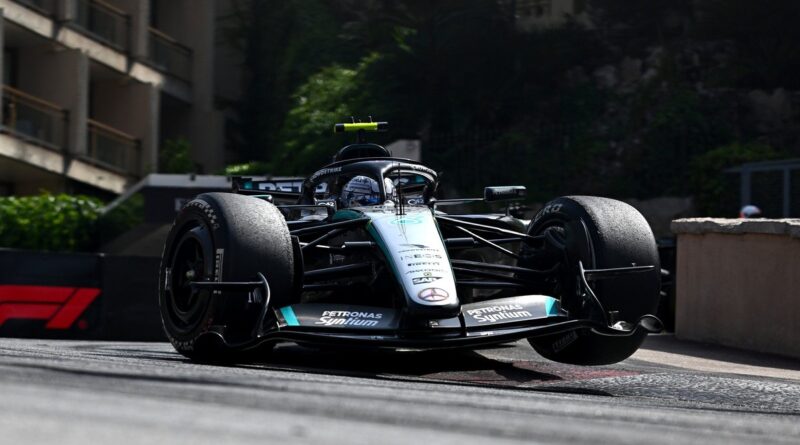
Tombazis emphasises that, on the chassis side, the 2026 machinery still presents a challenge for the drivers
Photo by: Guido De Bortoli / LAT Images via Getty Images
“The various aerodynamic solutions they’ve had, we haven’t found something that has broken the concept, whereas in the previous regulations there were a few things that actually did significantly compromise the concept.
“That mainly relates to the front wing endplates in the last generation car, the floor edges and all the furniture on the front wheel. All of those things made the wake characteristics significantly worse. We learned from that and I think hopefully there isn’t any equivalent issue.”
Aside from following other cars and the impact of dirty air, Tombazis also sees it as a positive that drivers still have their hands full with the new cars.
“They are still quite difficult cars to drive for the drivers, which I think is good, that they’re not just cars that anybody can drive,” he insisted. “Some of the aerodynamic regulations push towards teams not being able to address every single aspect of a car through a corner, and therefore they do have some challenges.
“I think when we have the 22 best drivers in the world, we should also have cars that are not exactly easy for my grandma to drive.”
On top of that, the cars are slightly less physically demanding for the drivers than before, particularly because the ground-effect cars had to be run extremely low and stiff.
“We have also raised the ride heights a bit, which means that they’re not quite as brutal as last year,” Tombazis added.
F1’s ambition for 2031: cars another 80kg lighter

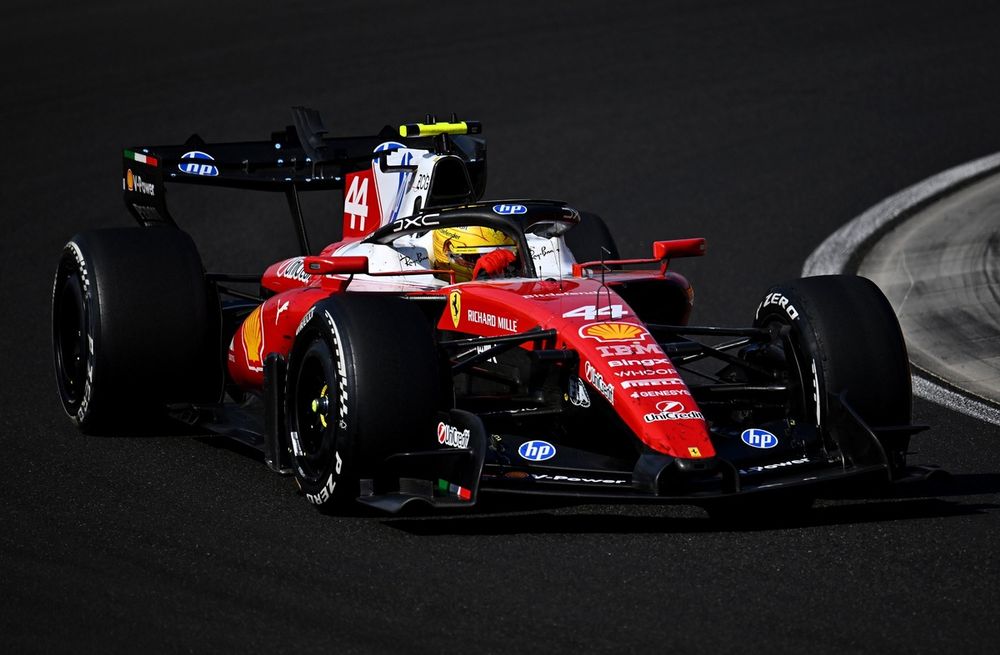
For the next set of regulations, the FIA would like the cars to be a further 80kg lighter, along with simpler power units
Photo by: Alastair Staley / LAT Images via Getty Images
The overall package on the chassis side leaves Tombazis satisfied, although he stresses that the FIA wants to go further. That won’t be possible during the current cycle, but it is the target for the next set of regulations – which is due to come into force in 2031, or in 2030 if there is sufficient support.
“The cars are a bit lighter and a bit smaller, which the drivers have appreciated,” Tombazis said. “Now, is that where I would like us to be? No. I would like us to be another 80 kilos lighter, and maybe still a bit shorter and a bit smaller in the future.
“That’s the sort of target, that we do another big step from what was possible to do now. I think this is not a bad step, but it’s not like I’m saying, ‘Yes, job done, that’s the target’. We want to go to another step of lightness in the future, and also the weight, a significant step.”
For now, however, Tombazis is counting his blessings, particularly because the long-running trend of F1 cars becoming ever larger and heavier has finally been reversed.
“This is the first time I think Formula 1 cars have become lighter since probably the year 2000, I would say at least, or maybe earlier,” he concluded.
We want your opinion!
What would you like to see on Motorsport.com?
– The Motorsport.com Team