Victims ‘grossly failed’ by Zafer Dogan bail decision
Victims and their families were “grossly failed” by the court system that bailed a sex offender and repeatedly allowed him to return to his home overlooking the playground he targeted, London’s victims’ commissioner said.
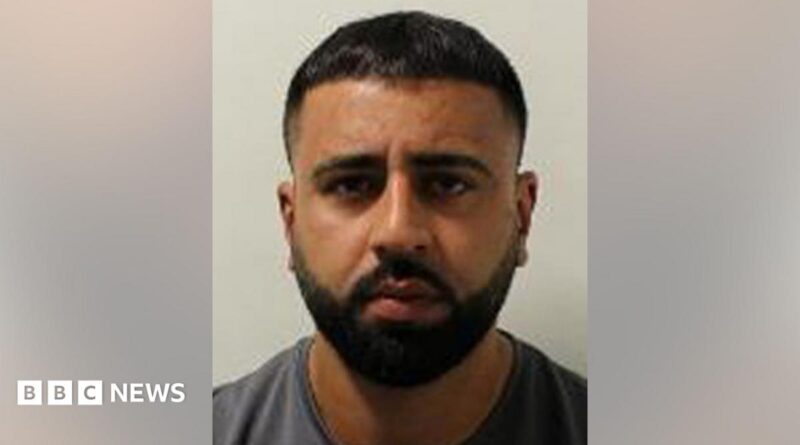
Zafer Dogan, 32, of Enfield, north London, was jailed on Thursday for two years and four months for taking thousands of pictures of children and using AI software to “nudify” them.
Andrea Simon said the case showed “the justice system did not centre victims” and called for a multi-agency review.
The Ministry of Justice said while the Crown Prosecution Service had the right to challenge them, final bail decisions were “made by the independent judiciary”.
The ministry added: “The protection of victims, witnesses, and the public must always be considered when deciding whether or not an offender should be released on bail.”
Dogan had pleaded guilty to three counts of making indecent images of a child, which included 900 category C images, 294 category B images and 653 category A images, which are the most serious.
He also admitted possessing extreme pornography, possessing a prohibited image of a child, creating purported intimate images of an adult, obstructing a constable in the execution of their duty and a further two counts of making indecent photographs of a child.
According to the police, he had taken more than 5,000 pictures, many from his bedroom window.
Despite protests from the police and prosecutors, he had previously been bailed back to his flat, forcing one family who had fallen victim to his crimes to move into temporary accommodation.
Speaking on BBC Radio 4’s Today, Simon said: “I think victims and their families were grossly failed by the decision to allow this paedophile to return to an address where he was overlooking a playground near to his victims.
“The case [shows that] the justice system just does not centre victims. To know that the police and prosecutors opposed bail multiple times, but nevertheless, he was returned to the community, is an indication that the capacity pressures on prisons are not being balanced with the impacts that that’s having on victims’ lives.
“We seem to be lurching from one crisis to another, and victim safety and their rights seem to be put to one side, as the justice system struggles.”