The Top 5 Neo Noir Movies of the 2010s
Neo-noir is an update on the classic noir genre of the 20th century, those moody crime and detective dramas like Double Indemnity and The Maltese Falcon that revolved around flawed characters with ambiguous moral codes. What makes neo-noir so compelling is that it takes an old formula and layers it with modern film technologies, incorporating shadows and lighting into storytelling in ways that the original noir directors could never have imagined.
The 2010s were the decade when the neo-noir film excelled, with titles that were not only commercially successful but critical hits, too. Films like Killing Them Softly, Under the Silver Lake, and Bad Times at the El Royale put major A-list actors like Brad Pitt and Andrew Garfield into mysteries that took this form into the 21st century. Others, like Prisoners, Drive, Nocturnal Animals, Dragged Across Concrete, Hell or High Water, and Nightcrawler brought surprising twists with a combination of stunning cinematography and set design to create new classics of the genre. The best 2010s neo-noirs moved noir away from trench coats and smoky offices and into new spaces: Hollywood conspiracy culture, suburbia, local news, elite art circles, and neon Los Angeles. But the core elements remained.
5
‘Under the Silver Lake’ (2018)

David Robert Mitchell‘s second feature stands out for how it turns LA into a hazy maze of paranoia that leaves the audience questioning every frame. Andrew Garfield’s Sam is not your well-worn, stereotypical detective, and Garfield playing such a weird and quirky character felt very against type at the time, putting an actor known for warm and heartfelt characters in a very out-of-place role. But it works.
Here, the mystery plot is not as important to the film’s success as is its mood of obsessive and paranoid searching. It is an update on the man-chasing-woman noir trope, only this time it is a self-destructive and surreal attempt to find purpose or meaning behind the secret mythology of Hollywood. The movie’s strange structure mirrors the current internet era of obsession, giving it a very meta feel. At its core, the film is about the rotting of popular culture, celebrity worship, and the manipulation of culture itself.
4
‘Prisoners’ (2013)

Many may call Denis Villeneuve‘s Prisoners his tour de force, although I’d argue Sicario holds that title (perhaps an argument for another time?) Still, the sheer intensity of this film was enough for many to sweat through their theater seats. As a dark genre, noir often ends in sadness or without the clear conclusion that would better satisfy an engaged audience, and that is certainly what happens in this, the darkest film on the list.
Villeneuve is an expert at building intensity through dialogue, and when joined with Roger Deakins‘ exquisite cinematography, the story emerges in a slow burn. What makes this film unique is how every character is positioned in moral murkiness, striking at the heart of what makes noir, well, noir. At the core of the movie, Hugh Jackman and Jake Gyllenhaal play two men clouded by guilt and moral shortcomings: one an unstable detective, the other a father on the edge of sanity, willing to become something monstrous and violent to find his kidnapped daughter. The dark gray and black hues of the set design and the film’s overall color aesthetic give Prisoners a dreary, shadowy feel that enhances its menacing plot. The title is not just literal, but figurative too, in the emotional “prison” the main characters succumb to. They are held captive by their own fear.
3
‘Nightcrawler’ (2014)

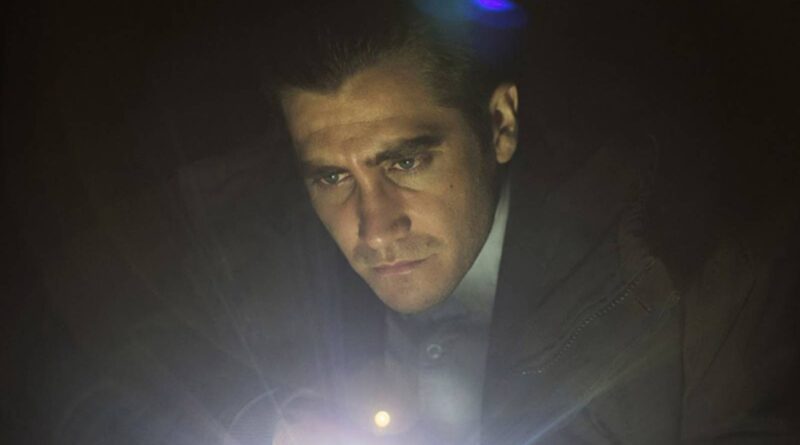
While Jake Gyllenhaal is a key player in Prisoners, Nightcrawler is his crème de la crème performance, not just in noir but in his entire filmography. Lou Bloom is one of the defining antiheroes of the 21st century. Set in yet another dark and depressing neighborhood in Los Angeles, the noir elements of this film are not just literal but ethical. They weave throughout the film, especially in the way Bloom targets what he wants and treats the people around him. The key is perspective. Bloom is a freelance crime videographer, a fascinating update on the voyeuristic elements of a classic noir detective.
All of that gives the world Tony Gilroy creates, and the moral principles of its main character, a creepy feel that does not just blur but crushes the line of the acceptable. The twist that makes this movie is that the villain Lou Bloom becomes does not get punished for his rapacious immorality, but is rewarded for “getting the story” — one he has actually created out of his own criminal acts. That is the movie’s central message: in our tech-crazy times, have we created a system that sanctions inhuman acts in the interest of entertainment?
2
‘Nocturnal Animals’ (2016)

Some might be surprised to see this film ranked so high, but its opening scene hits you like a freight train that keeps on chugging. It tells you immediately this is not a normal thriller, and by the time you are with Tony Hastings (again, Jake Gyllenhaal) and his family driving through North Texas, the subtle tension has you at the edge of your seat. It is then that you realize it is not just reckless driving on a desolate rural road in the middle of the night.
There is a predatory element at work here, that the men in the car behind him are attempting to push him off the road and turn the empty highway into a vicious trap. Yes, it is another Jake Gyllenhaal feature, but this film’s reputation is made on its stunning cinematography, amazing acting, and character work. It’s a sinister plot that keeps the audience engaged for nearly two hours.
The cast is stacked, offering stellar performances from Michael Shannon, Gyllenhaal, and Aaron Taylor-Johnson, along with supporting roles from Amy Adams, Laura Linney, Michael Sheen, Armie Hammer, and Isla Fisher. It is the most literary and fractured film on this list. The story-within-a-story aspect (where fiction is played against reality) gives Nocturnal Animals a fascinating extra layer.
1
‘Drive’ (2011)
The number one neo-noir film from the 2010s is Drive. Along with the star power of Ryan Gosling, the story gets a lift from the supporting cast performances of Carey Mulligan, Oscar Isaac, Bryan Cranston, and Albert Brooks. Set in Los Angeles, Gosling stars as a Hollywood stuntman who moonlights as a getaway driver for criminals. He lives by a strict code: if more than five minutes pass, he flees the scene of the crime. He lives a life on his own, only to be upended by a love interest (Carey Mulligan) that creates a web of complications.
The Driver, as Gosling’s character is called, has minimal dialogue and sports a stoic visage void of emotion: the classic noir loner, quiet, skilled, emotionally repressed and morally divided. His two separate lives are on a collision course, and we can sense that the combustion will be overwhelming. Unlike Under the Silver Lake or Nightcrawler, the version of L.A. in Drive feels almost mythical and dreamlike. It perfectly balances the contrast between beauty and brutality that noir is so often searching for. The neon lights, synth music score, and soft romance act as a contrasting harmony to the graphic violence. This film truly modernizes noir because it helped define what neo-noir could look and sound like.

- Release Date
-
September 16, 2011
- Runtime
-
100 minutes
- Director
-
Nicolas Winding Refn